
by JB Krohn | Dec 7, 2020 | Blog, Visual Faith
Artists are not fatally cast upon their inner brilliance (or lack thereof), but called to the diligent use of their peculiar insights into the givenness of what God has created; a world budding with potentiality in anticipation of his image-bearers to explore and celebrate.

by Ntobeko Mjijwa | Nov 4, 2020 | Blog, Visual Faith
Sekoto was self-taught, he didn’t go to school like people today. And an interesting thing about him; he was born in 1913, in the same year that the Land Act was passed in South Africa. It’s fascinating to see how he interacted with that time, growing up in that era in South Africa.

by Lieschen Venter | Sep 5, 2020 | Blog
If we combine the 4 Jungian archetypes with the personifications of the tetramorph, can we make a case for Christ as the perfect fulfilment of all that Freud, Jung, Campbell, Moore, and Gilette are looking for? In a society of disordered archetypes, and psychoses of imbalance, can we psycho-analyse Christ in a Jungian framework and find the perfect man? I contend that we can. And that the answer to all our psychoses can be found by spending time in the gospels.
by Ydi Carstens | Sep 3, 2020 | Blog, Visual Faith
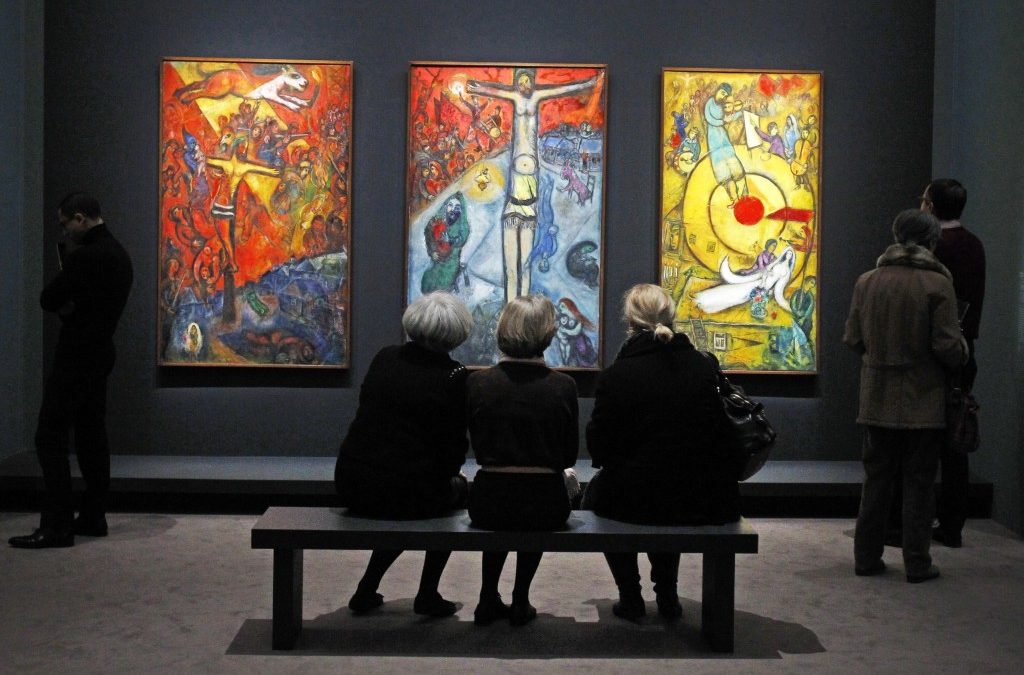
Seeking for ‘mentors in hope’ in the troubling times in South Africa and abroad made me reflect on some of the ways Chagall seems to brave despair.
by JB Krohn | Aug 21, 2020 | Blog
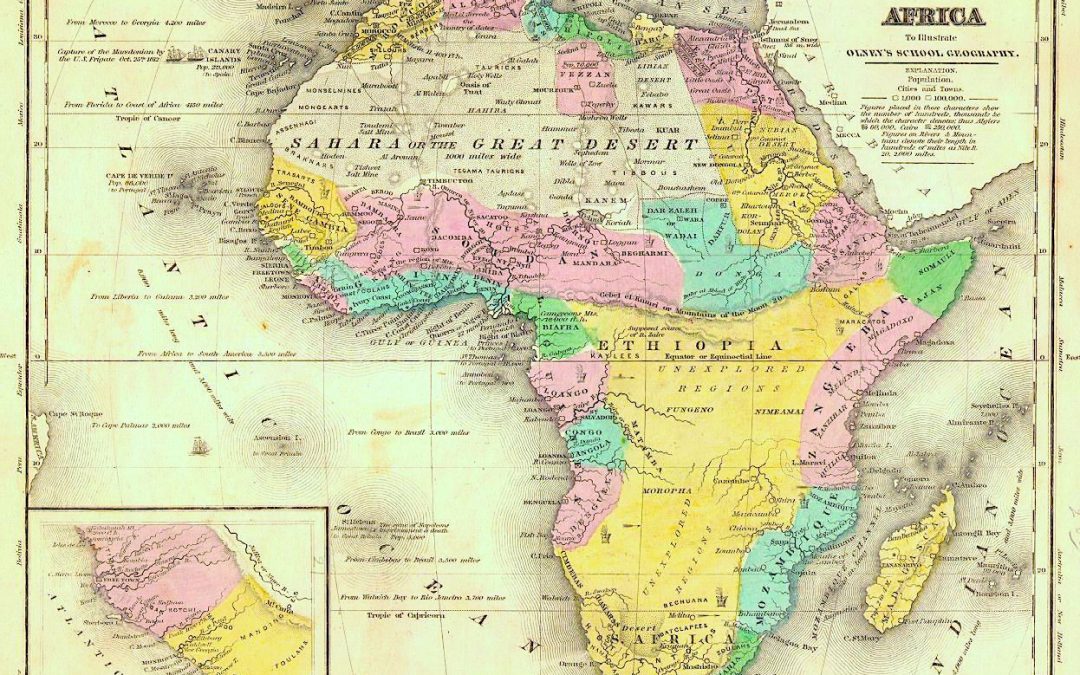
The notion of the secularisation of (Western) society is a fascinating subject in its own right, with both supporters and detractors of its central thesis; that our society is no longer concerned with religion the way it used to be. Secular, from saeculum (generation, or age) in its Christian Latin usage denotes ‘the world’, as opposed to sacred, from sacer (holy), that which is consecrated to God. Back in 1966 Bryan Wilson called it “the process in which religious thinking, practice and institutions lose social significance”, and Anthony Giddens, more recently as “the process where religion loses its influence over the various spheres of social life”. Or, as Max Weber more imaginatively called it, “the disenchantment of the world”.
by JB Krohn | Aug 4, 2020 | Blog, Theology, Visual Faith
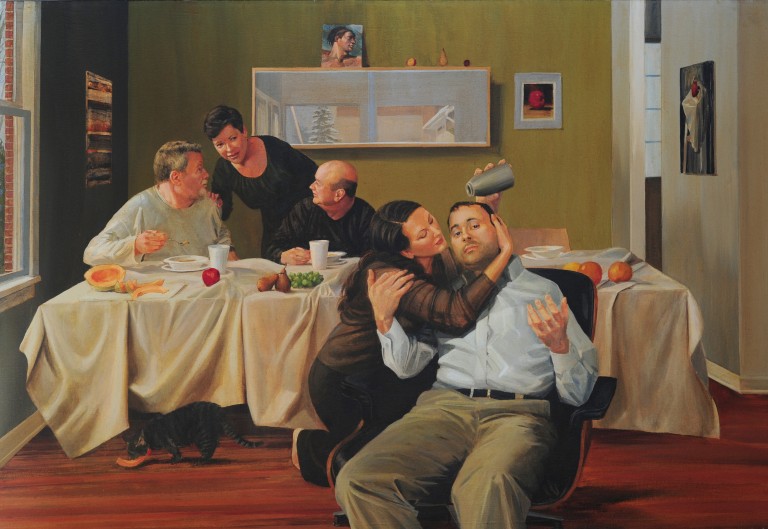
The dinner spectacle John describes for us in his gospel, even though remote, still manages to offend us (though not as much as the original guests), but, we’re not quite sure how—or, why, we are offended. We can determine this however, that the story gives us a picture of extravagant devotion.
